


Solder Paste Printers and Applications Across Industries
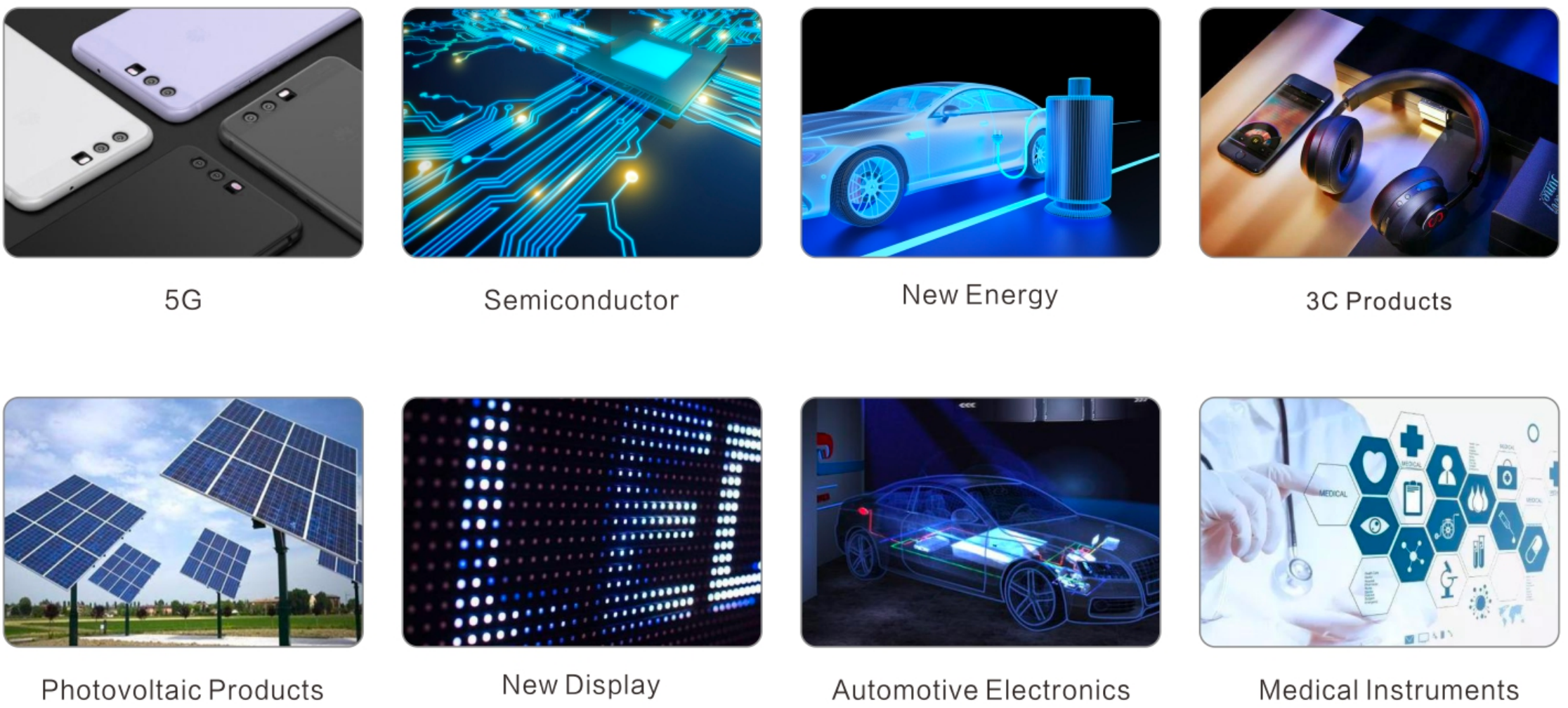
In the world of electronics manufacturing, solder paste printers are the heroes that make modern technology possible. From the smartphone in your pocket to the medical device monitoring your health, these precision machines play a crucial role in creating the electronics we rely on every day. Let’s explore the diverse applications of solder paste printers and understand why they’re indispensable across so many industries.
The Foundation: Primary Applications
SMT Printers in PCB Assembly Manufacturing
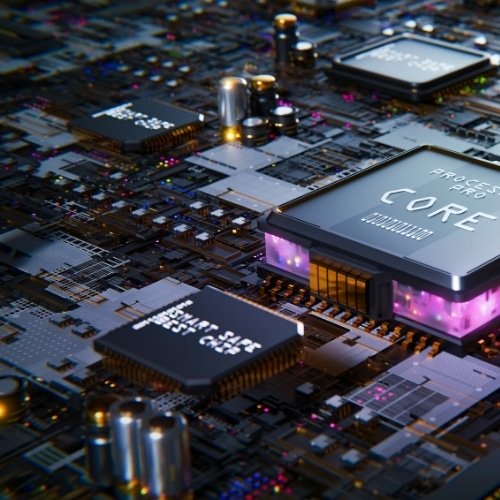
At its core, a solder paste printer does one thing exceptionally well: it applies solder paste to printed circuit boards with precision and consistency. This fundamental process is the backbone of electronics manufacturing, whether you’re producing consumer electronics like smartphones, tablets, and computers, or building industrial equipment and automotive electronics. Every electronic device you interact with likely began its life on a production line with a solder paste printer carefully depositing the material that would eventually hold all its components in place.
Prototype Development for PCB Assembly
For engineers and designers working in R&D labs and prototype shops, solder paste printers are essential tools for innovation. When testing new PCB designs, speed and flexibility matter. Modern printers excel here by storing multiple stencil programs, allowing engineers to quickly switch between different board designs without lengthy setup times. This capability accelerates the development cycle, helping bring new products to market faster.
Small to Medium Production Runs
Contract manufacturers face a unique challenge: they need to handle varied products with different board sizes and component densities, often switching between jobs throughout the day. Semi-automatic solder paste printers are perfectly suited for this environment, offering the flexibility to accommodate diverse production requirements without the capital investment required for fully automated systems. This sweet spot between manual operation and full automation makes them invaluable for businesses managing multiple clients and product lines.
High-Volume SMT Production Lines
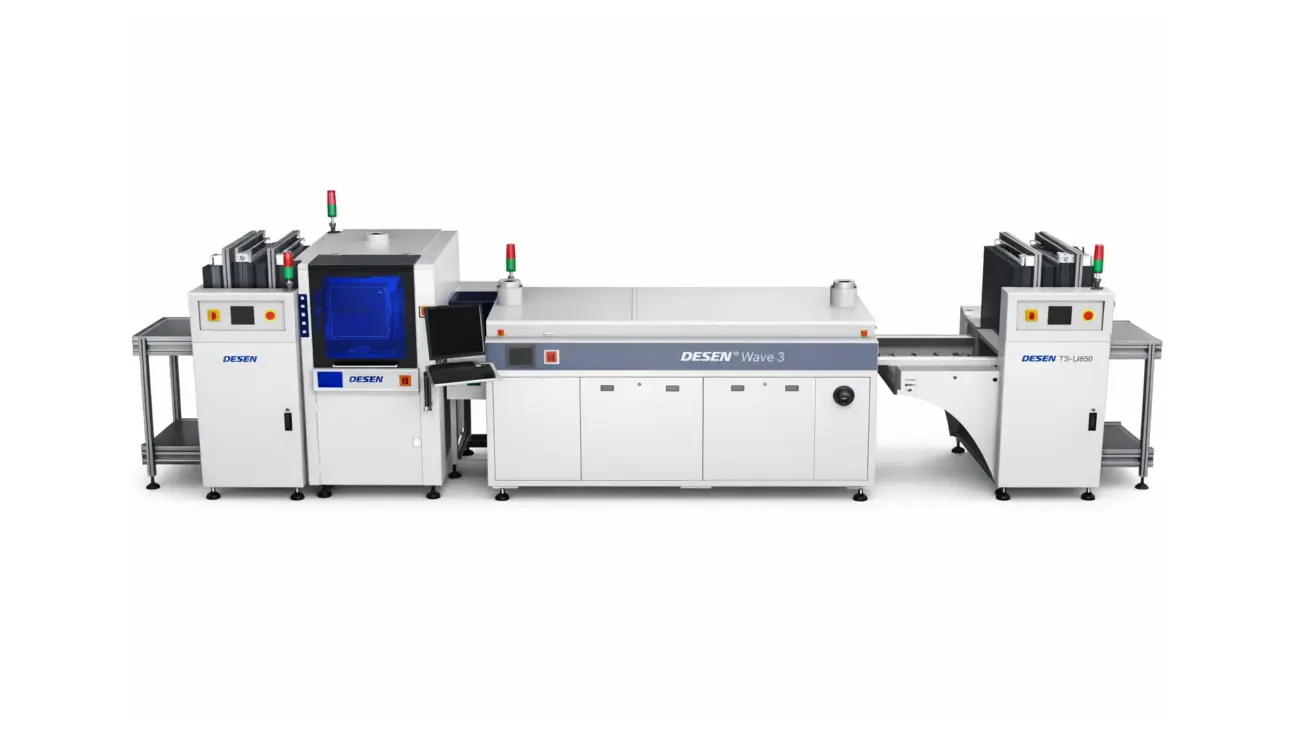
When production volumes climb into the thousands or millions of units, fully automatic solder paste printers become the only practical choice. These machines integrate seamlessly into automated production lines, working in concert with pick-and-place machines and reflow ovens to mass-produce everything from smartphones to LED lights. Their consistency, speed, and reliability make high-volume manufacturing economically viable.
Beyond the Basics: Specialized Applications
Medical Device Manufacturing
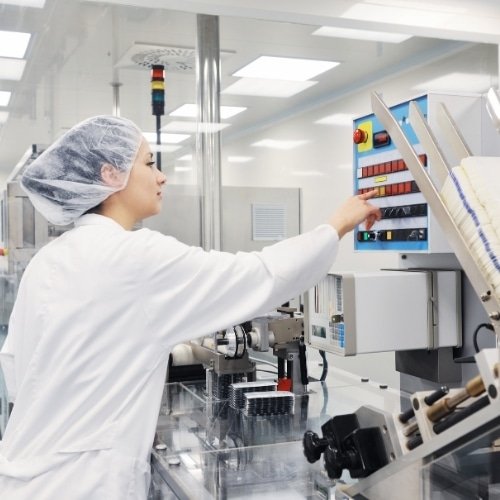
In medical electronics, there’s no room for error. Devices like pacemakers, diagnostic equipment, and patient monitoring systems demand the highest levels of reliability and precision. Solder paste printers used in medical device manufacturing must meet stringent quality standards, ensuring that every print is perfect. The stakes are literally life and death, making print precision not just a quality metric but a critical safety requirement.
Aerospace and Defense

When your electronics need to function flawlessly in extreme conditions or critical situations, specialized solder paste printing becomes essential. Aerospace and defense applications often involve working with specialized materials, thicker boards, and components that must withstand vibration, temperature extremes, and other harsh conditions. The printers used in these industries are calibrated for extreme reliability and often work with materials and specifications that go beyond standard commercial requirements.
SMT Stencil Printer in. LED Manufacturing

LED technology has unique requirements when it comes to solder paste application. Whether manufacturing LED lighting products or large-scale LED display panels, manufacturers often need to apply paste in patterns and volumes that differ from traditional PCB assembly. Solder paste printers in this sector must be adaptable to these specialized needs while maintaining the precision required for optimal LED performance.
Automotive Electronics

Modern vehicles are computers on wheels, filled with electronics that must perform reliably in challenging environments. From engine control units exposed to heat and vibration to sophisticated infotainment systems, automotive electronics face harsh conditions that demand robust manufacturing processes. Solder paste printers in automotive manufacturing must ensure that every joint can withstand years of temperature cycling, vibration, and environmental stress.
IoT and Wearable Devices
As electronics continue to shrink, the challenge of applying solder paste to increasingly tiny pads grows. IoT devices and wearables represent the cutting edge of miniaturization, requiring solder paste printers capable of extreme precision on very small pads. These applications push the limits of printing technology, demanding fine-pitch capability and exceptional accuracy.
Choosing the Right Tool for the Job
The diversity of applications highlights an important point: there’s no one-size-fits-all solution in solder paste printing. The right printer depends on three key factors: production volume, precision requirements, and budget.
Manual solder paste printers printers suit low-volume operations and prototyping environments where flexibility and low capital investment are priorities. Semi-automatic printers offer the middle ground, providing improved consistency and throughput for small to medium production runs. Fully automatic systems deliver the speed and integration necessary for high-volume manufacturing lines.
Understanding your specific application needs is the first step in selecting the right solder paste printer. Whether you’re building life-saving medical devices, launching satellites, or producing the next generation of consumer electronics, there’s a solder paste printing solution designed for your requirements.
The next time you use your smartphone, turn on an LED light, or rely on any electronic device, take a moment to appreciate the precision manufacturing that made it possible—and the solder paste printer that played its crucial role in bringing that technology to life.