


Table of contents
- The Role of Pick and Place Machines in SMT Industry
- Introduction
- What Are Pick and Place Machines?
- The Evolution of SMT Machines
- Key Components of Pick and Place Machines
- Types of Pick and Place Machines
- The Critical Role in SMT Manufacturing
- Applications Across Industries
- Benefits That Drive Industry Adoption
- Choosing the Right Pick and Place Machine
- The Future of Pick and Place Technology
- Maintenance and Best Practices
- Overcoming Common Challenges
- Conclusion
- Frequently Asked Questions
The Role of Pick and Place Machines in SMT Industry
Introduction
In today’s fast-paced electronics manufacturing world, precision and speed are everything. Moreover, at the heart of modern surface mount technology (SMT) production lines, pick and place machines have revolutionized how we build everything from smartphones to automotive electronics. However, what exactly makes these SMT machines so crucial to the industry?
Whether you’re a manufacturing engineer, a business owner exploring automation, or simply curious about how your favorite gadgets come to life, understanding the role of pick and place technology will undoubtedly give you valuable insights into the backbone of modern electronics production.
What Are Pick and Place Machines?
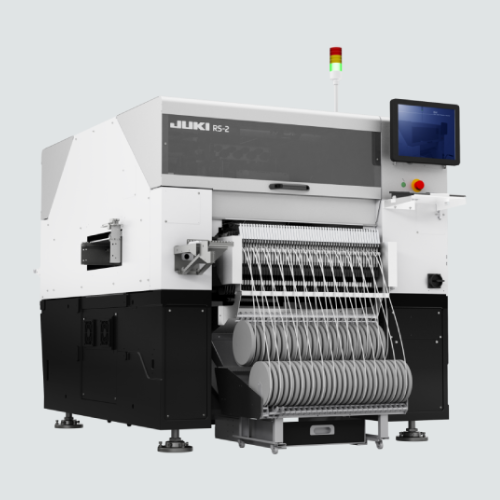
A pick and place machine, also known as a chip mounter or SMT mounter, is an automated robotic system designed to accurately place surface mount components onto printed circuit boards (PCBs). Specifically, these sophisticated machines use vacuum nozzles or grippers to “pick” tiny electronic components from feeders and precisely “place” them onto designated positions on the circuit board.
In essence, think of it as an incredibly fast, precise robotic assistant that never gets tired and can place thousands of components per hour with microscopic accuracy. Furthermore, from resistors and capacitors smaller than a grain of rice to complex integrated circuits, these machines handle it all.
The Evolution of SMT Machines
The journey of pick and place technology mirrors the evolution of electronics itself. Initially, in the 1980s, when surface mount technology began replacing through-hole assembly, early chip mounters were relatively simple machines that could place a few hundred components per hour.
Fast forward to today, and modern SMT machines can place upwards of 100,000 components per hour with placement accuracy measured in micrometers. As a result, this dramatic improvement has made possible the miniaturization of electronics we see everywhere, from wearable fitness trackers to advanced medical devices.
Key Components of Pick and Place Machines
Understanding how these machines work helps appreciate their critical role in manufacturing. Therefore, let’s explore the essential components:
1. Component Feeders
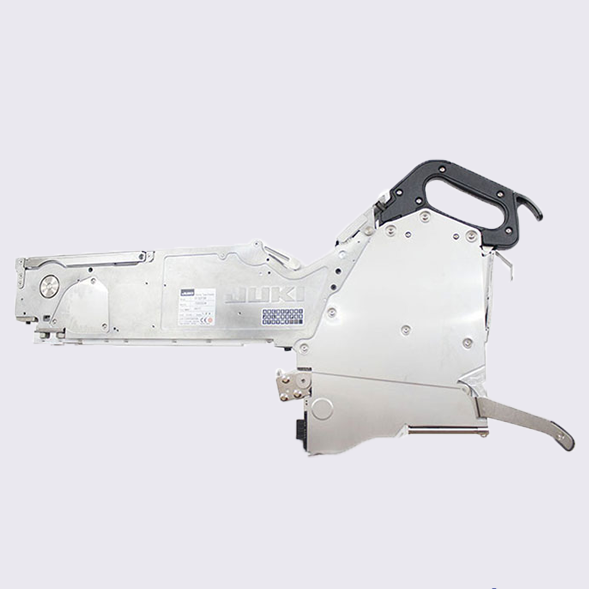
These systems hold and present components to the pick and place head. Notably, they come in various formats including tape-and-reel feeders, stick feeders, and tray feeders, accommodating different component sizes and packaging styles.
2. Vision System
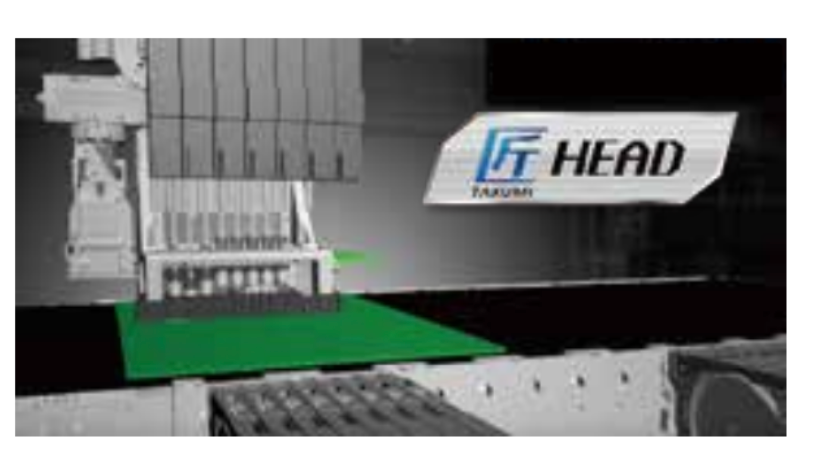
Similarly, high-resolution cameras verify component orientation and placement accuracy in real-time. Consequently, this vision inspection ensures every component goes exactly where it should, preventing costly errors and reducing waste.
3. Placement Head
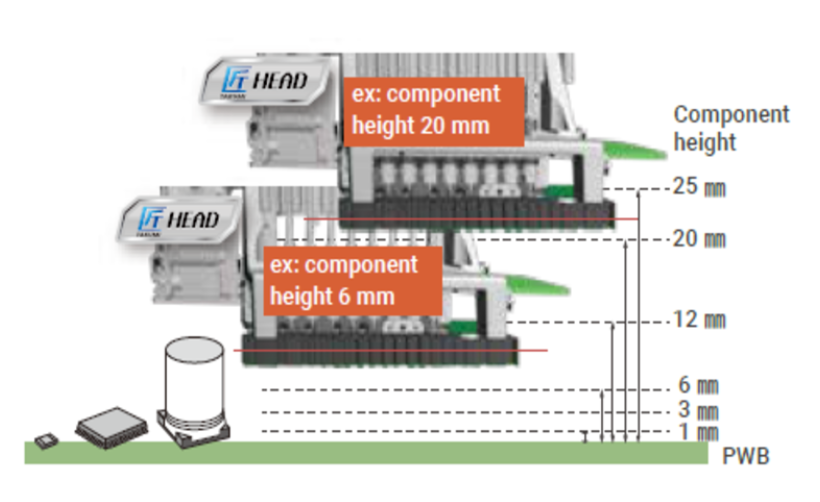
The heart of any SMT mounter, the placement head uses vacuum nozzles to grip components and position them with extraordinary precision. Additionally, advanced machines feature multiple heads working simultaneously to maximize throughput.
4. Motion Control System
Likewise, sophisticated servo motors and linear guides enable the lightning-fast yet incredibly accurate movements necessary for modern electronics assembly.
5. Software Interface
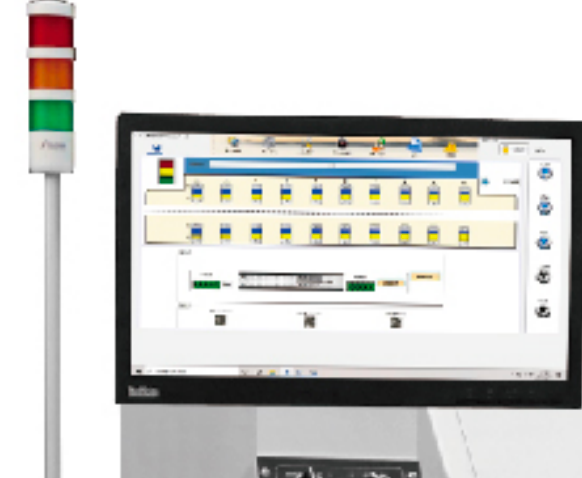
Finally, user-friendly software controls the entire operation, managing component libraries, placement programs, and quality metrics while providing operators with real-time feedback.
Types of Pick and Place Machines
Not all SMT machines are created equal. In fact, different production requirements demand different solutions:
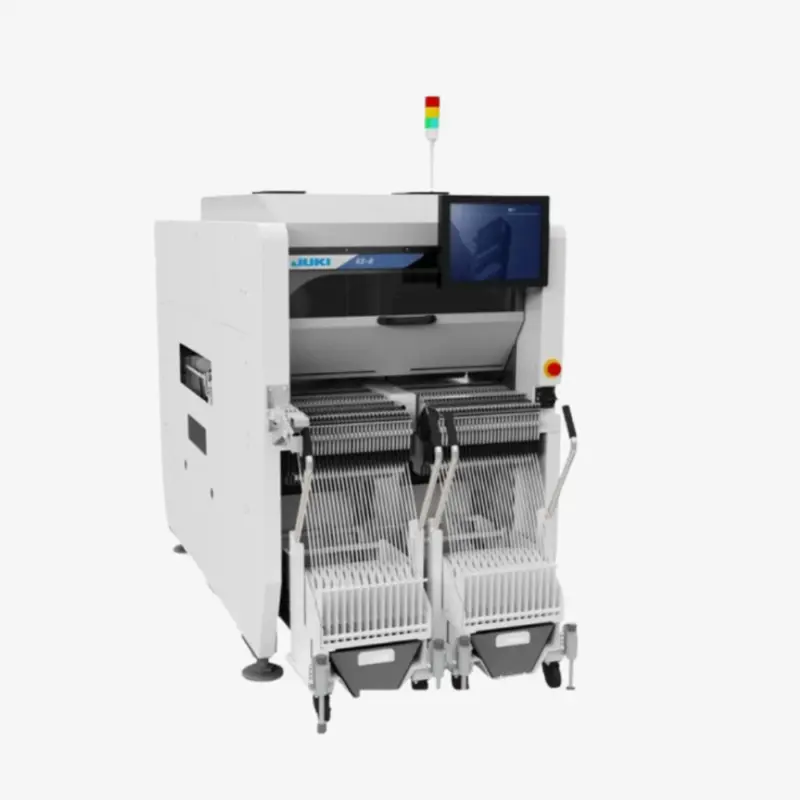
Designed for maximum throughput, these machines excel at placing small passive components like resistors and capacitors. Indeed, they’re the workhorses of high-volume production, capable of placing tens of thousands of components per hour.
Flexible SMT Mounters
On the other hand, these versatile machines handle a wide variety of component types and sizes, making them ideal for medium-volume production or prototype work where flexibility trumps raw speed.
LED Pick and Place Machines
Alternatively, specialized LED pick and place machines are engineered specifically for LED assembly applications. Notably, the lighting industry demands unique handling capabilities due to LEDs’ sensitivity to static electricity and pressure. Therefore, these machines feature gentler handling mechanisms and specialized nozzles designed to protect delicate LED components while maintaining the speed and accuracy required for competitive production.
Multi-Functional Platforms
In addition, modern advanced systems combine high-speed capability with flexibility, often featuring interchangeable heads and extensive component libraries to handle virtually any assembly challenge.
The Critical Role in SMT Manufacturing
Pick and place machines serve as the cornerstone of modern electronics manufacturing for several compelling reasons. Let’s examine each one:
Unmatched Precision
First and foremost, human hands, no matter how skilled, cannot match the micrometer-level accuracy of an SMT machine. Moreover, as components continue shrinking and circuit boards become more densely populated, this precision becomes absolutely essential.
Consistency and Repeatability
Furthermore, unlike manual assembly, a chip mounter performs the same operation identically millions of times. As a result, this consistency ensures reliable product quality and reduces defect rates dramatically.
Speed and Efficiency
In addition, modern pick and place technology can assemble a complex smartphone motherboard in minutes, a task that would take hours manually. Consequently, this speed translates directly to lower production costs and faster time-to-market.
Flexibility in Production
Meanwhile, today’s SMT mounters can quickly switch between different products with simple program changes. Thus, this flexibility enables manufacturers to efficiently handle both high-volume production runs and small-batch custom orders.
Quality Assurance
Equally important, integrated vision systems catch errors in real-time, ensuring components are correctly oriented and precisely placed before the board moves to the next production stage. Ultimately, this built-in quality control significantly reduces rework and scrap.
Applications Across Industries
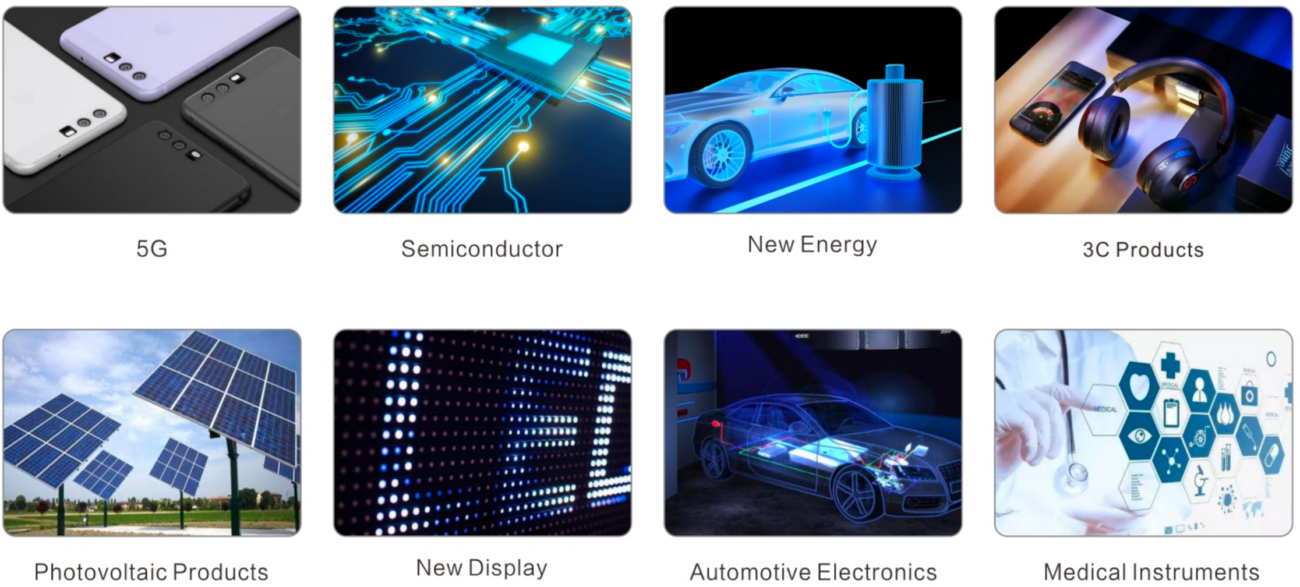
The impact of pick and place machines extends across virtually every sector that uses electronics. For instance:
Consumer Electronics: Smartphones, tablets, laptops, and wearables all rely on SMT assembly for their compact, powerful circuit boards.
Automotive: Similarly, modern vehicles contain dozens of circuit boards controlling everything from engine management to entertainment systems, all assembled using pick and place technology.
Medical Devices: Furthermore, from pacemakers to diagnostic equipment, medical electronics demand the reliability and precision that only automated SMT assembly can provide.
Industrial Controls: Additionally, manufacturing automation, robotics, and process control systems all depend on circuit boards assembled with SMT machines.
LED Lighting: In particular, LED pick and place machines have transformed the lighting industry, enabling the mass production of energy-efficient LED products at competitive prices.
Aerospace and Defense: Finally, high-reliability applications require the consistency and documentation capabilities of automated assembly systems.
Benefits That Drive Industry Adoption
The widespread adoption of pick and place technology isn’t just about keeping up with competitors. Rather, the benefits are tangible and measurable:
Reduced Labor Costs
While requiring skilled operators, one SMT machine can replace dozens of manual assembly workers, significantly reducing per-unit labor costs.
Higher Product Quality
Moreover, automated assembly minimizes human error, resulting in fewer defects, less rework, and higher overall product quality.
Increased Production Capacity
In addition, the speed of modern chip mounters allows manufacturers to dramatically increase output without proportionally increasing factory space or workforce.
Better Material Utilization
Similarly, precise component placement and reduced errors mean less waste, lowering material costs and environmental impact.
Faster Market Response
Furthermore, quick changeover capabilities allow manufacturers to rapidly respond to market demands and introduce new products faster than competitors.
Enhanced Traceability
Finally, modern SMT machines automatically log detailed production data, enabling complete traceability for quality control and regulatory compliance.
Choosing the Right Pick and Place Machine
Selecting the appropriate SMT mounter for your production needs requires careful consideration of several factors. Specifically, you should evaluate:
Production Volume: First, high-volume manufacturers prioritize speed, while smaller operations may value flexibility more.
Component Mix: Next, the variety of component types you’ll assemble influences whether you need a specialized or multi-functional platform.
Accuracy Requirements: Additionally, different products demand different placement precision levels.
Budget Constraints: At the same time, balance upfront investment against long-term productivity gains and operational costs.
Future Scalability: Moreover, consider whether the machine can grow with your business needs.
Supplier Support: Last but not least, reliable technical support and readily available spare parts are crucial for minimizing downtime.
The Future of Pick and Place Technology
The SMT industry continues evolving rapidly, and pick and place machines are advancing alongside it. Looking ahead, several key trends are emerging:
Artificial Intelligence Integration: Machine learning algorithms are optimizing placement strategies in real-time, improving speed and accuracy.
Industry 4.0 Connectivity: Furthermore, modern SMT mounters integrate seamlessly with factory networks, enabling predictive maintenance and real-time production monitoring.
Enhanced Vision Systems: In parallel, 3D inspection and advanced image processing are pushing quality control to new heights.
Miniaturization Support: As components continue shrinking, pick and place machines are adapting with finer pitch capabilities and more precise placement.
Sustainability Focus: Finally, energy-efficient designs and reduced material waste align with global sustainability initiatives.
Maintenance and Best Practices
Maximizing the return on your pick and place machine investment requires proper care and operation. To achieve this, follow these essential practices:
Regular Calibration: First and foremost, periodic calibration ensures maintained accuracy over time.
Preventive Maintenance: Similarly, scheduled maintenance prevents unexpected breakdowns and extends machine life.
Operator Training: In addition, well-trained operators maximize machine capabilities and minimize errors.
Environment Control: Furthermore, temperature and humidity control protect sensitive components and ensure consistent performance.
Software Updates: Lastly, keeping machine software current provides access to the latest features and improvements.
Overcoming Common Challenges
While pick and place machines offer tremendous benefits, users may encounter challenges. However, most can be easily addressed:
Component Handling Issues: For example, delicate components require careful nozzle selection and pressure adjustment.
Feeder Jams: Fortunately, regular maintenance and quality component packaging minimize feeder problems.
Placement Errors: Likewise, proper vision system setup and regular calibration prevent most placement issues.
Programming Complexity: On the bright side, modern user-friendly interfaces have greatly simplified program creation, but initial learning curves exist.
Integration Challenges: Nevertheless, working with experienced suppliers ensures smooth integration into existing production lines.
Conclusion
Pick and place machines have transformed electronics manufacturing from a labor-intensive manual process into a highly automated, precise, and efficient operation. Indeed, whether you’re talking about high-speed chip mounters handling millions of passive components, specialized LED pick and place machines serving the lighting industry, or flexible SMT mounters accommodating diverse production needs, these systems form the foundation of modern electronics production.
As electronics continue becoming more integral to our daily lives, and as devices become smaller, more powerful, and more complex, the role of pick and place technology will only grow in importance. Therefore, for manufacturers looking to remain competitive in today’s fast-paced market, investing in the right SMT machine isn’t just an option—it’s a necessity.
In conclusion, the future of electronics manufacturing is automated, precise, and efficient. Pick and place machines aren’t just participating in that future—they’re actively creating it, one component placement at a time.
Frequently Asked Questions
High-speed SMT machines can place 80,000 to 100,000+ components per hour, although actual speed depends on component size, complexity, and required accuracy.
These terms are often used interchangeably. Both refer to SMT machines that automatically place components on circuit boards.
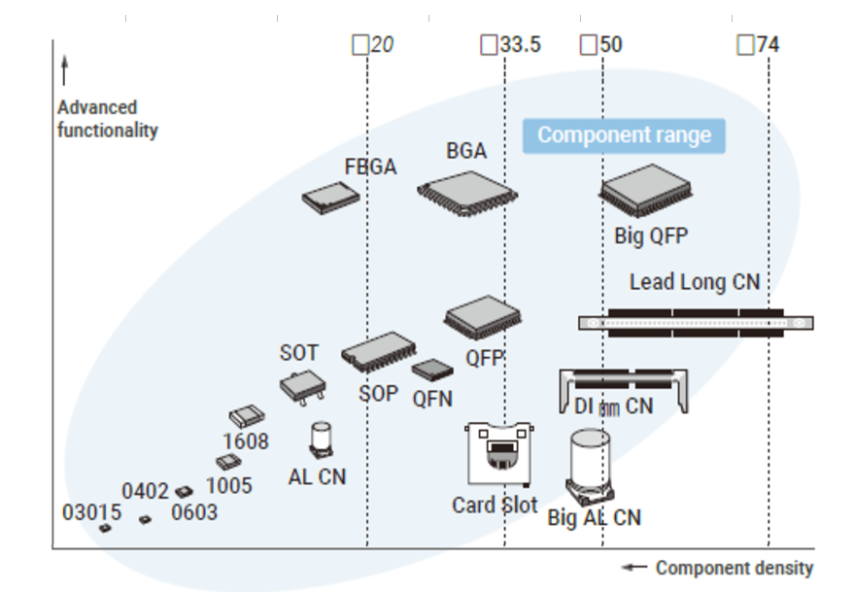
Yes, many modern SMT mounters feature multiple head types and nozzle options to accommodate components ranging from tiny 0201 passives to large connectors and integrated circuits.
LED pick and place machines feature specialized handling to protect sensitive LED components from static damage and excessive pressure while maintaining the speed needed for competitive production.
Prices vary widely based on capability, from entry-level machines around $50,000 to high-end systems exceeding $500,000. The right choice depends on your specific production requirements.
Regular cleaning, lubrication, calibration checks, and nozzle replacement are typical maintenance tasks, usually following manufacturer-recommended schedules.
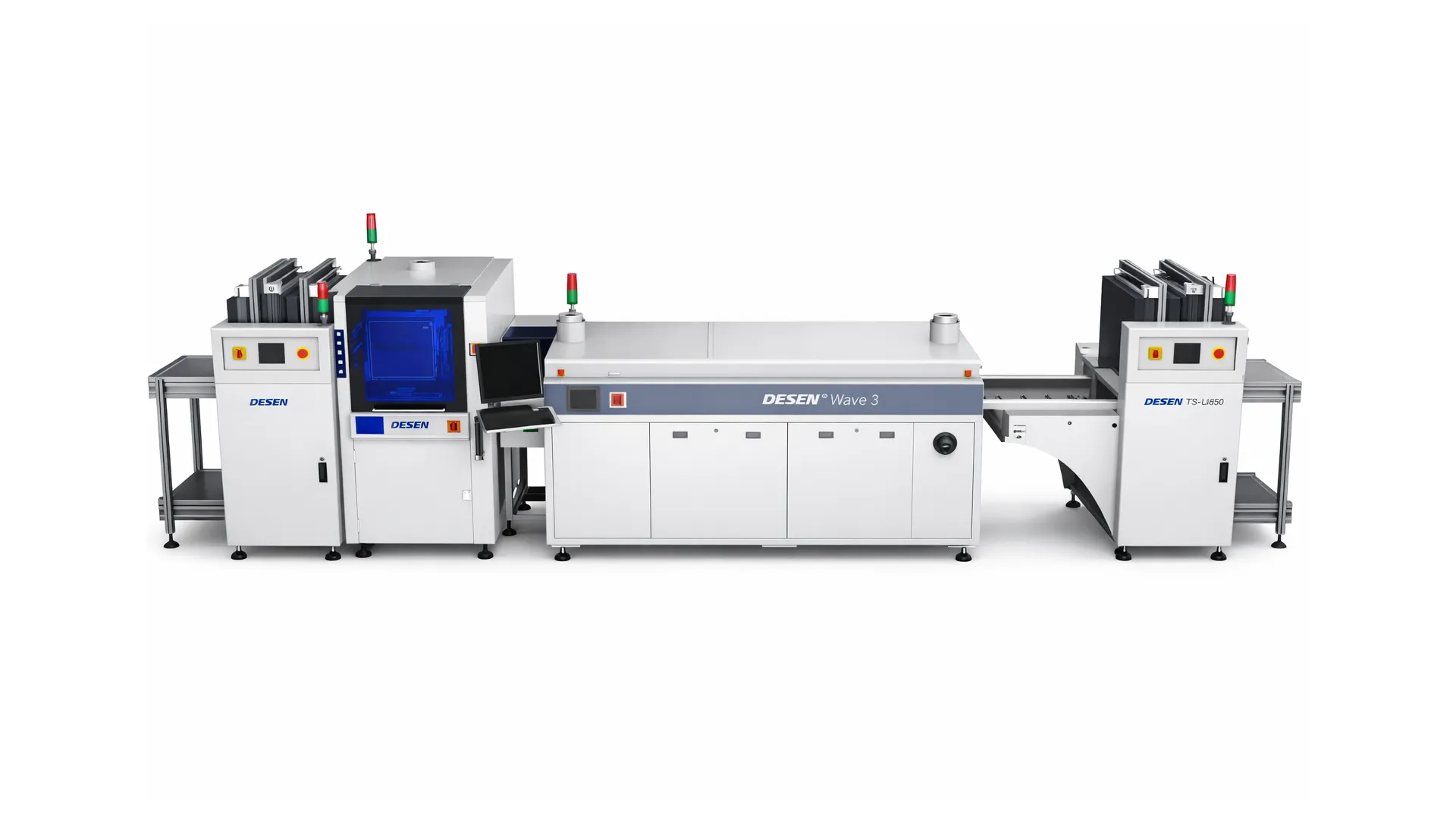
Yes, modern SMT mounters are designed for easy integration with other equipment like solder paste printers, reflow ovens, and inspection systems.
Looking to upgrade your electronics manufacturing capabilities with state-of-the-art pick and place technology? Contact Desen Precision today to discover how our advanced SMT solutions can transform your production efficiency and product quality.